A home gym succeeds or fails on whether you enjoy being in the room. Practical basics — floor, air, storage — come first; motivation is a design problem after that.
Start with the floor
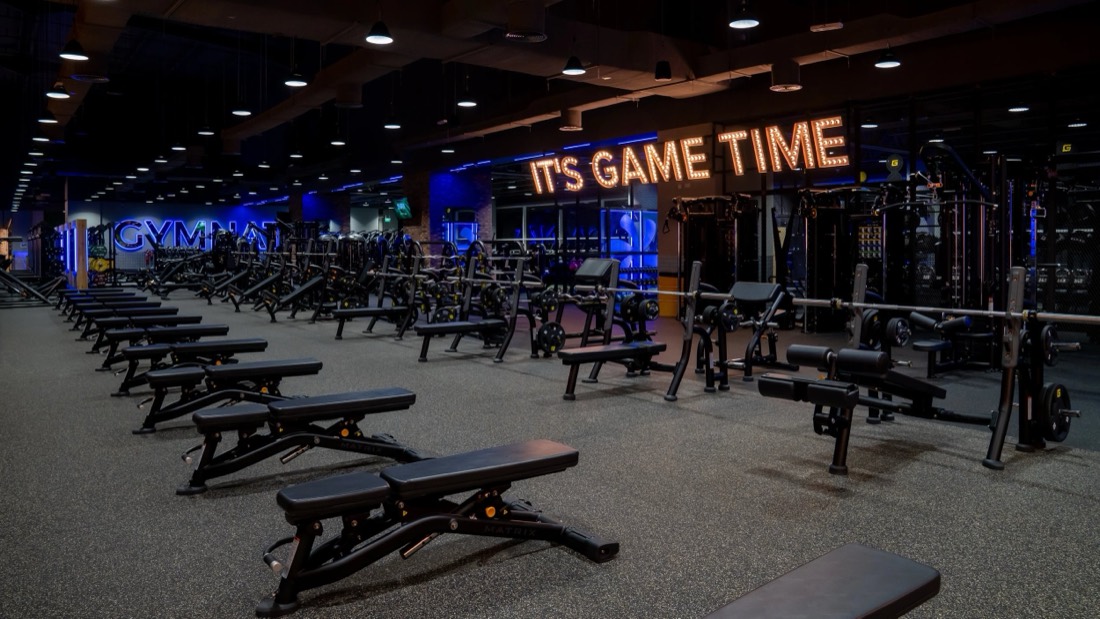
Rubber tiles or rolled rubber flooring (8 mm or thicker where weights are dropped) protect the subfloor, cut noise for neighbours and give stable footing. Interlocking foam mats are fine for yoga and stretching zones but compress under heavy equipment.
Mirrors do two jobs
A large mirror lets you check lifting form and doubles the visual size of a small room — which is why every commercial gym has a mirrored wall. Mount it at a height that shows your full body from your usual training distance, and keep it away from the dumbbell drop zone.
Storage keeps the room trainable
A wall rack for dumbbells, hooks for bands and a basket for mats mean the floor is clear for the workout itself. Vertical storage matters most in garage and spare-room gyms where every square metre of floor is training area.
Decor that motivates
- One energising accent wall — deep green, navy or charcoal — beats an all-grey box.
- Good airflow is decor too: a quiet fan or an opening window changes how the room feels mid-workout.
- A small shelf for a speaker and water bottle keeps essentials off the floor.
The one rule that matters most
Protect the floor and clear the floor. A gym that is safe and uncluttered gets used; a pretty one that is not, does not.