A garden or balcony decorates best when it is planned like a room: floors, walls, ceiling of sky or pergola, and zones for what you actually do outside.
Divide the space into zones
Even a small plot gains depth when it has destinations — a dining corner, a lounging spot, a planting bed that screens the view. Changes of material mark the zones: decking to gravel, paving to lawn. In tiny gardens, one well-defined zone beats three cramped ones.
Plant for structure first
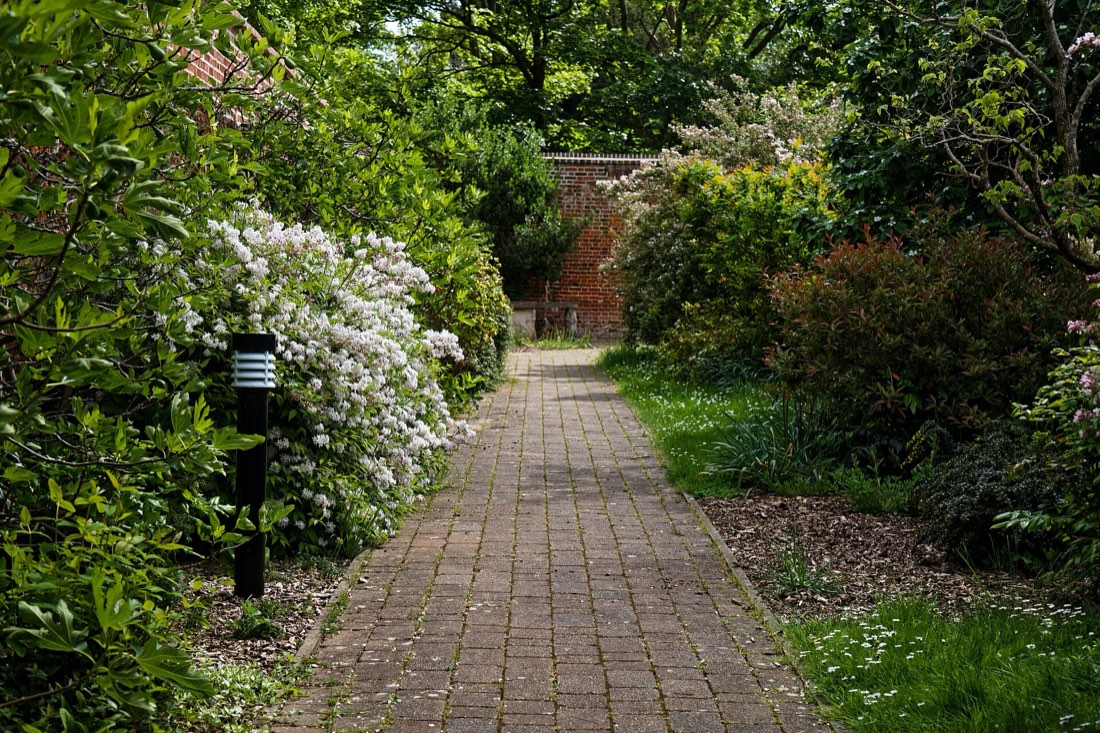
Evergreen shrubs and grasses give the garden its bones in every season; flowering perennials are the interchangeable wardrobe around them. Repeat the same plant in groups of three or five rather than dotting singles — repetition is what makes a planting scheme look designed.
Light the garden like a room
Solar spike lights along a path, warm string lights over the seating area and one uplight on a favourite tree extend the garden's usable hours and turn it into a view from the sofa after dark. Keep fittings warm-white and low — glare flattens a garden at night.
Furniture that can stay out
- Teak, powder-coated aluminium and all-weather rattan survive rain; budget soft woods rarely do.
- An outdoor rug defines the seating zone exactly as it would indoors.
- Storage benches hide cushions and tools in one move.
The one rule that matters most
Plant structure before colour: evergreens and repetition give a garden its design; flowers are the seasonal wardrobe around it.