Ever notice that slimy, pinkish-orange stain in your shower, toilet, or sink? It’s easy to mistake it for a type of mold, but it’s actually something different. That vibrant pink residue is a bacteria called Serratia marcescens. While not a true mold, it thrives in the same damp, soap-rich environments, and it’s a common nuisance in many bathrooms.
In this guide, you’ll learn what this pink bathroom slime is, why it keeps coming back, and most importantly, how to get rid of it for good. We’ll also cover the potential risks and simple prevention tips to keep your bathroom sparkling clean.
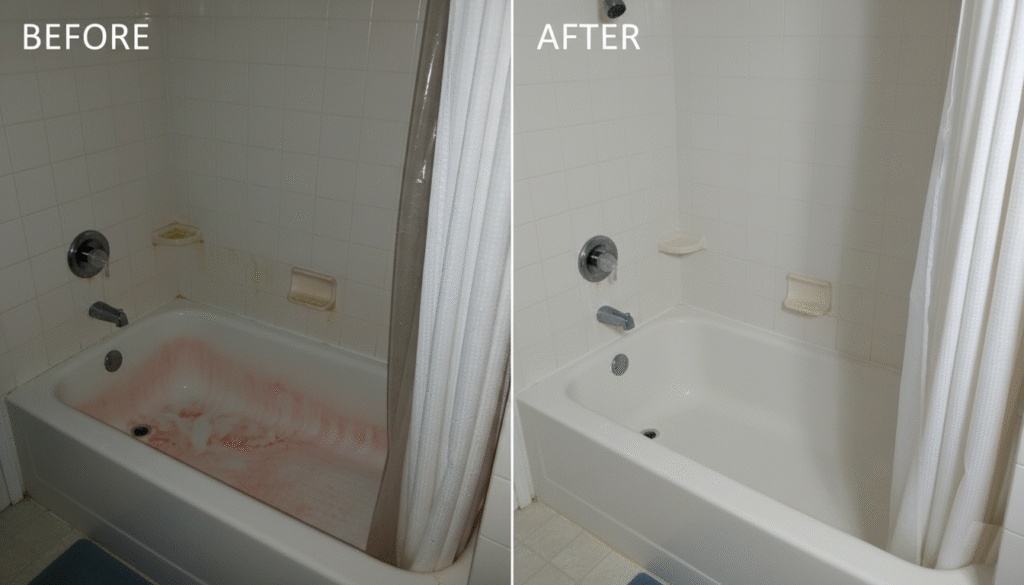
What Exactly Is That Pink Slime in Your Bathroom?
You’re not dealing with mold—you’re dealing with a type of airborne bacteria. Serratia marcescens is naturally present in soil, water, and even in some foods. It loves moist conditions and is particularly drawn to the fatty deposits found in soap residue and shampoos. That’s why you often see it clinging to shower curtains, tile grout, and inside toilet bowls. The pink or reddish-orange pigment is a result of the bacteria producing a red pigment called prodigiosin as it grows.
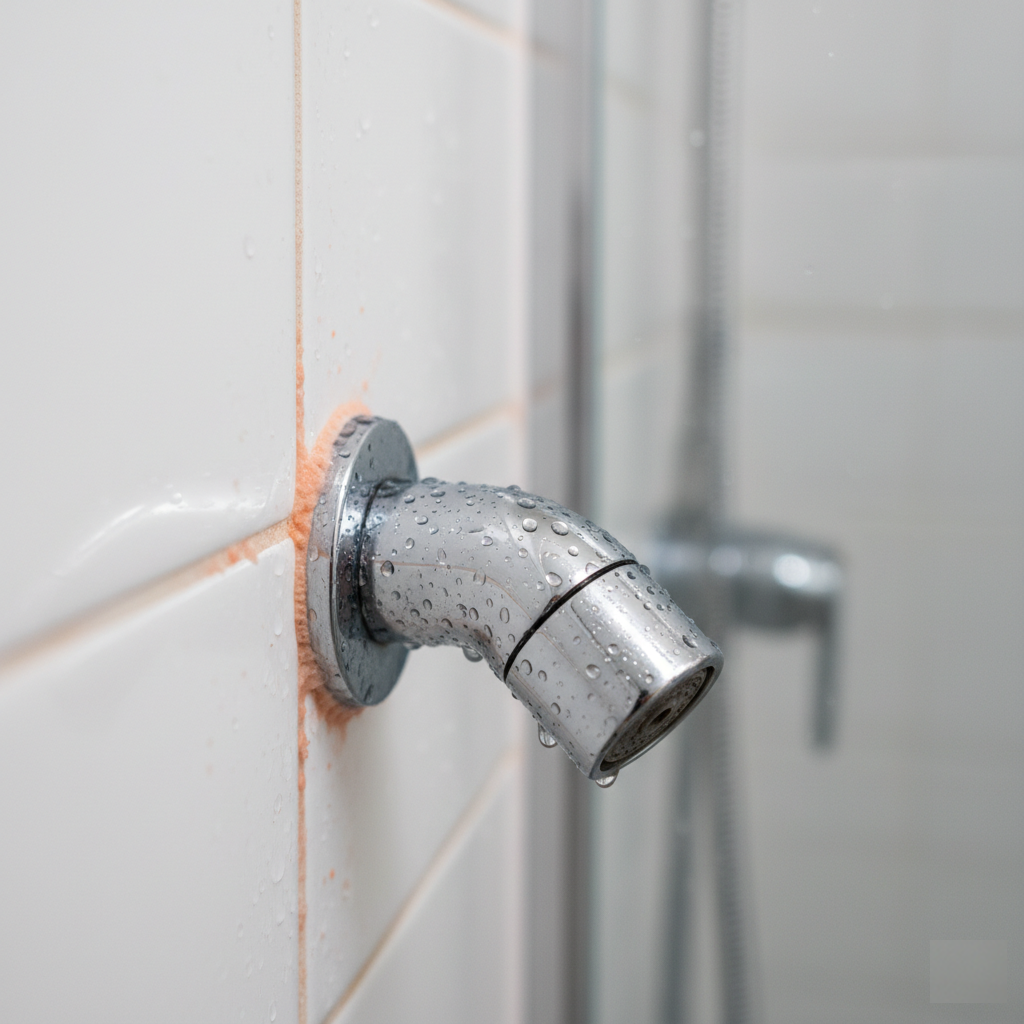
This bacterium finds its way into your bathroom through the air or water supply. Once it lands on a wet surface with a food source (like soap scum), it begins to multiply rapidly, forming the visible, slimy pink film you see. Understanding this is the first step to effective removal and prevention.
Is Pink Mold or Pink Bathroom Slime Dangerous?
This is a key question many people have. For most healthy individuals, Serratia marcescens is not a major health threat. Coming into casual contact with it on your shower curtain or tiles is unlikely to cause any harm.
However, for some people, this bacterium can pose a risk.

Potential Health Risks of Serratia Marcescens
- Respiratory Issues: Inhaling the airborne bacteria can be problematic for individuals with weakened immune systems, chronic respiratory issues, or those with underlying lung conditions.
- Urinary Tract Infections (UTIs): In rare cases, especially in hospital settings, this bacterium can be a cause of UTIs, wound infections, and other health complications.
- Eye and Skin Irritation: Direct contact with large colonies of the bacteria could potentially cause minor skin or eye irritation.
While the risks are low for the average person, it’s still best to remove the pink bathroom residue as soon as you spot it. The same conditions that allow Serratia marcescens to flourish can also support the growth of true molds and mildew, which can cause significant health problems.
How to Effectively Get Rid of the Pink Stain
Getting rid of the pinkish-orange bathroom residue is a straightforward process, but it requires consistency. You can use common household products to tackle the issue.
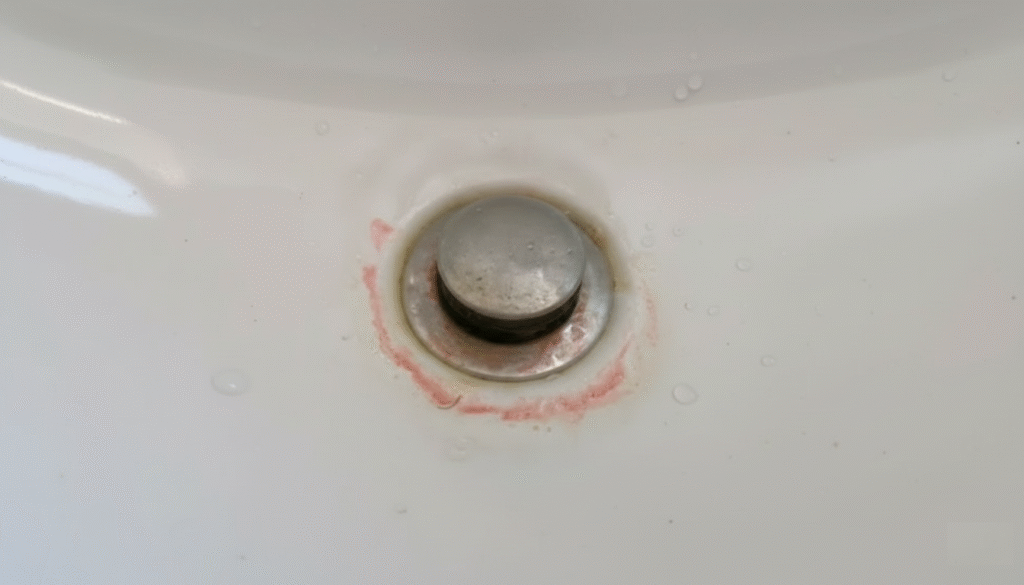
Step-by-Step Cleaning Guide
- Preparation: Put on some gloves to protect your hands. Ensure the bathroom is well-ventilated by opening a window or turning on the exhaust fan.
- Use a Cleaning Agent: A simple solution of white vinegar and water (50/50 mix) works well. For a stronger approach, use a diluted bleach solution (one part bleach to ten parts water). You can also use a commercial bathroom cleaner specifically designed for soap scum and mildew.
- Application: Spray the solution directly onto the affected areas: the shower curtain, tile grout, inside the toilet bowl, or on the sink. Let it sit for 10-15 minutes. This gives the solution time to break down the bacteria.
- Scrubbing: Use a stiff-bristled brush or a scouring pad to scrub away the slimy film. You’ll notice it comes off quite easily after the cleaning agent has had time to work.
- Rinsing: Rinse the area thoroughly with clean water. Make sure to rinse away all the cleaning product and dead bacteria.
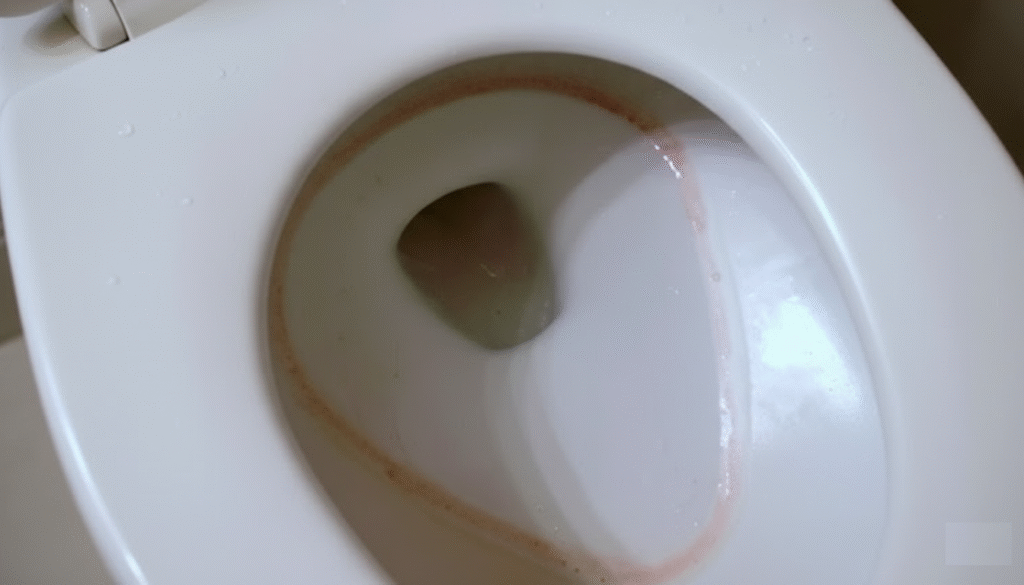
For toilet bowls, simply pour a cup of bleach into the bowl, let it sit for a few hours (or overnight), and then flush. This will kill the bacteria and flush it away.
Preventing the Return of Pink Bathroom Slime
The key to a permanently clean bathroom isn’t just cleaning—it’s preventing the conditions that allow this bacterium to grow. By making a few simple changes to your routine, you can keep pink bathroom stains from ever coming back.
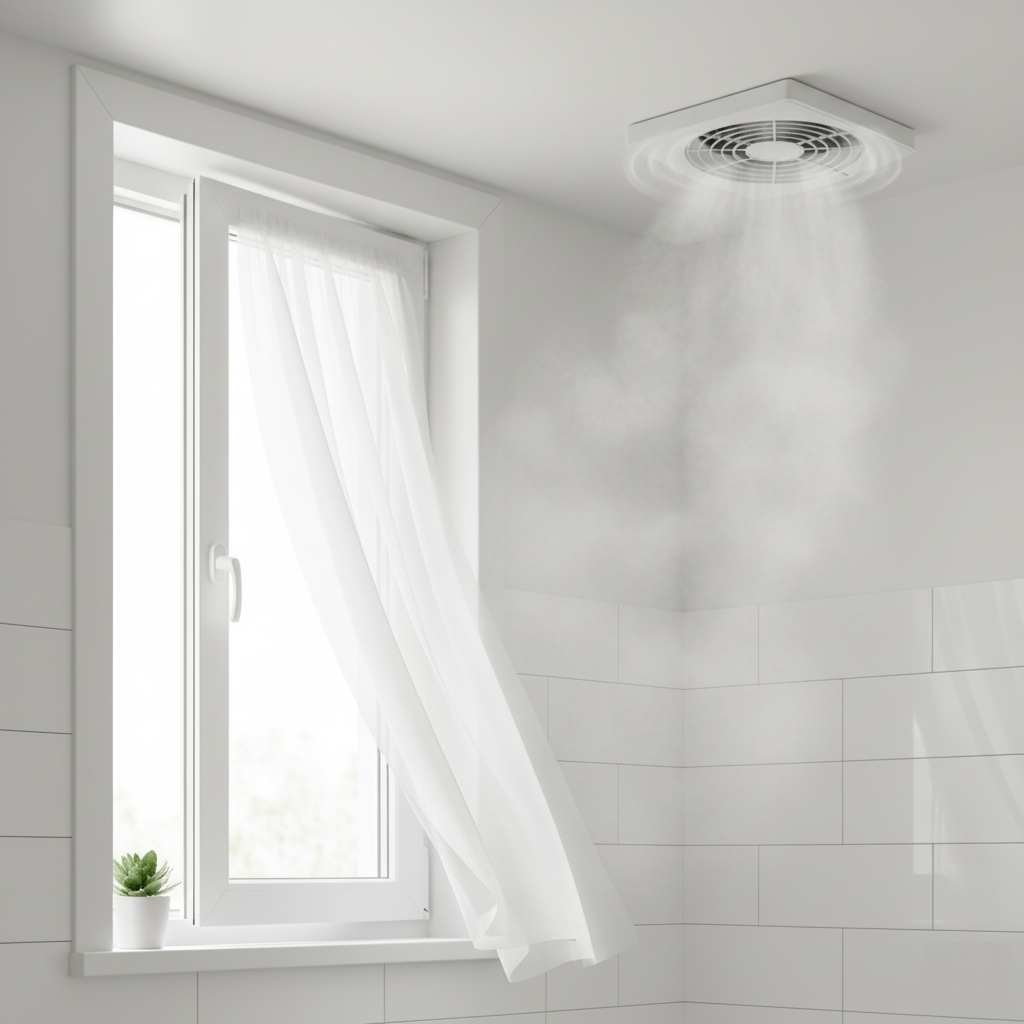
- Improve Ventilation: This is the most crucial step. Use your bathroom exhaust fan during showers and for at least 30 minutes afterward. If you don’t have a fan, open a window to allow steam to escape and reduce humidity.
- Wipe Down Surfaces: After each shower, use a squeegee to wipe down shower walls and doors. For sinks and counters, a quick wipe with a towel will remove standing water and soap residue.
- Regular Cleaning: A quick weekly clean will prevent the buildup of soap scum and bacteria. Use a spray bottle with a vinegar-and-water solution and a sponge to wipe down all surfaces.
- Clean Your Shower Curtains: Wash your shower curtain regularly. The soap and water runoff make it a prime breeding ground for pink mold in bathrooms.
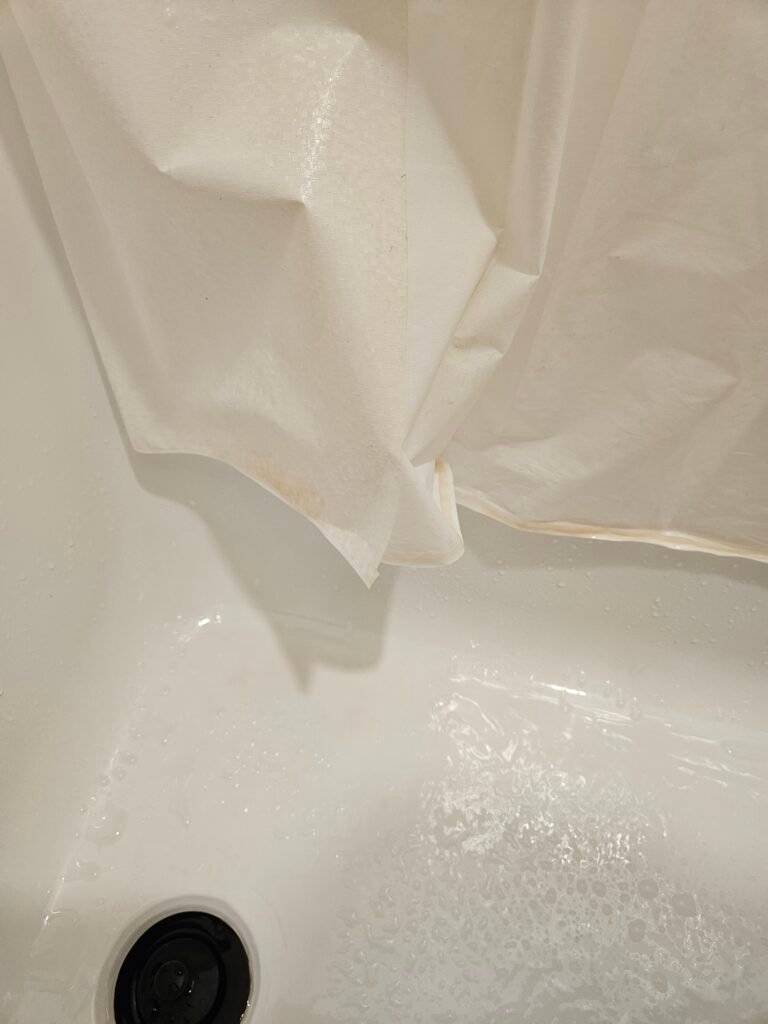
By following these simple steps, you can break the cycle of recurring pink residue in your shower.
Conclusion: Take Control of Your Bathroom’s Cleanliness
That stubborn pink bathroom slime is not a true mold, but a common bacterium that thrives in wet, soapy environments. While it’s generally harmless for most, it’s a sign that your bathroom could use better ventilation and more regular cleaning.
By using simple household cleaners to remove the existing stains and adopting a few easy prevention habits—like wiping down surfaces and improving air circulation—you can effectively banish this unsightly film for good. A clean bathroom isn’t just about appearance; it’s about creating a healthier and more comfortable space. Don’t let this persistent pink mold-like stain win the battle. Take control of your cleaning routine today.