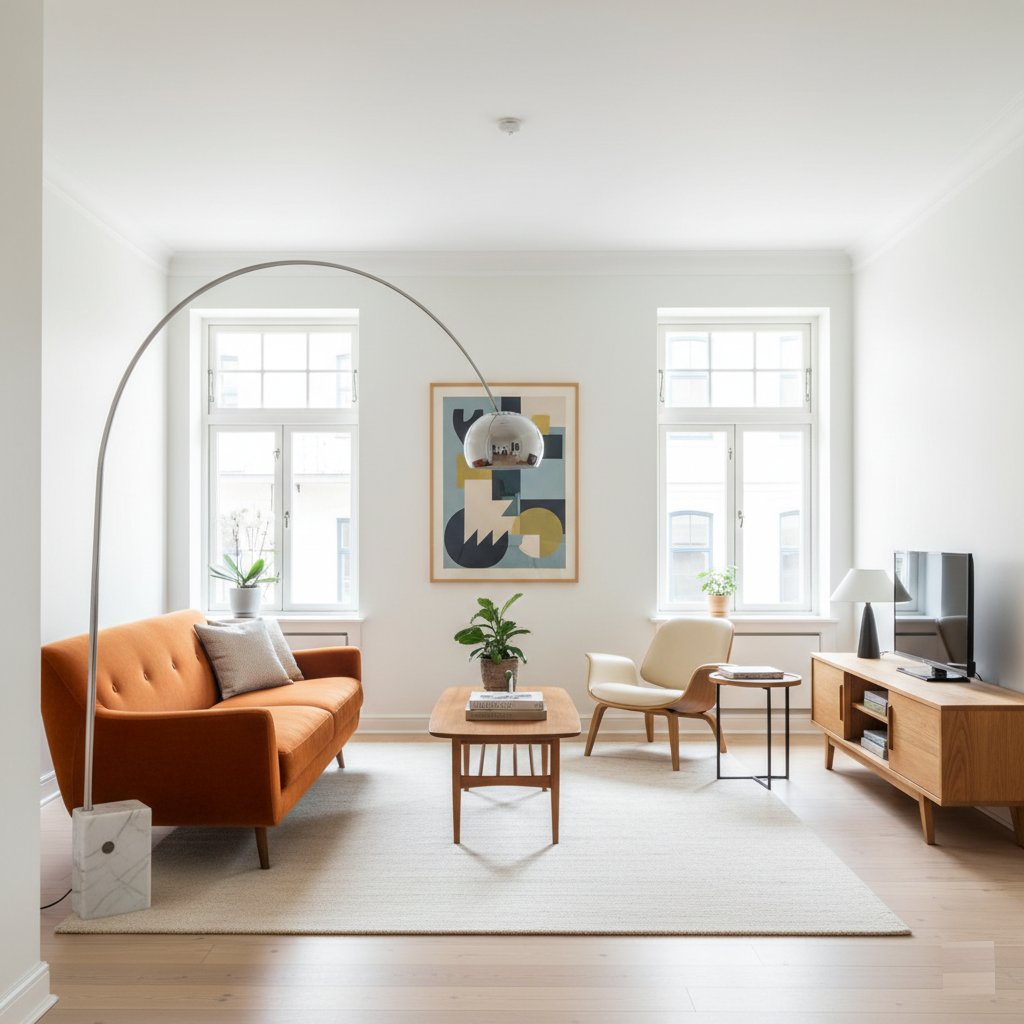
Have you ever scrolled through a design magazine or an Instagram feed and felt an instant connection to a particular style, but you couldn’t quite put your finger on what it was? Chances are, it was either Mid-Century Modern or Scandinavian design. These two interior styles have consistently been at the forefront of trends, each with its own unique history and philosophy. While they may seem similar at first glance—both value clean lines and a focus on function—they are distinct in their origins, color palettes, and overall feel.
Ready to dive in and discover which style speaks to you? Let’s break down the differences and find out how you can incorporate these timeless aesthetics into your own home.
1. The Roots: Philosophy and Origin Story
Every great design movement has a story. Understanding where these styles came from is the key to appreciating their core principles.
Mid-Century Modern
- Era: Spanning roughly from the 1940s to the 1960s, this style emerged in the post-war United States. It was a period of rapid industrialization and social change, and design responded with a new sense of optimism and innovation.
- Philosophy: Mid-Century Modern is all about functionality, practicality, and the perfect harmony of form and function. Designers sought to create mass-produced furniture that was both affordable and stylish, blending organic curves with strong, clean lines.
- Keywords: Sleek curves, tapered legs, natural wood frames, bold pops of color, and a striking contrast between materials.
- Influential Designers: Think of icons like Charles and Ray Eames, Eero Saarinen, and George Nelson, whose creations continue to be celebrated today for their timeless appeal.
Scandinavian
- Era: Born in the 1930s across the Nordic countries (Denmark, Norway, Sweden, and Finland), this style was a direct response to the long, dark winters. The goal was to bring light and warmth into homes.
- Philosophy: Simplicity, minimalism, and a deep connection to nature are the heart of Scandinavian design. It prioritizes the comfort and well-being of the inhabitants, creating spaces that are both practical and beautiful. This is often referred to as “hygge” (the Danish concept of coziness) in action.
- Keywords: White bases, natural wood tones, soft, gentle lines, and a deliberate use of natural light.
- Characteristics: The overarching goal is to create an inviting and bright atmosphere that feels calm and serene, no matter the weather outside.
2. The Palette: How Colors and Materials are Used
The colors and textures you choose are the first things people notice. Here’s where the two styles truly diverge.
Mid-Century Modern
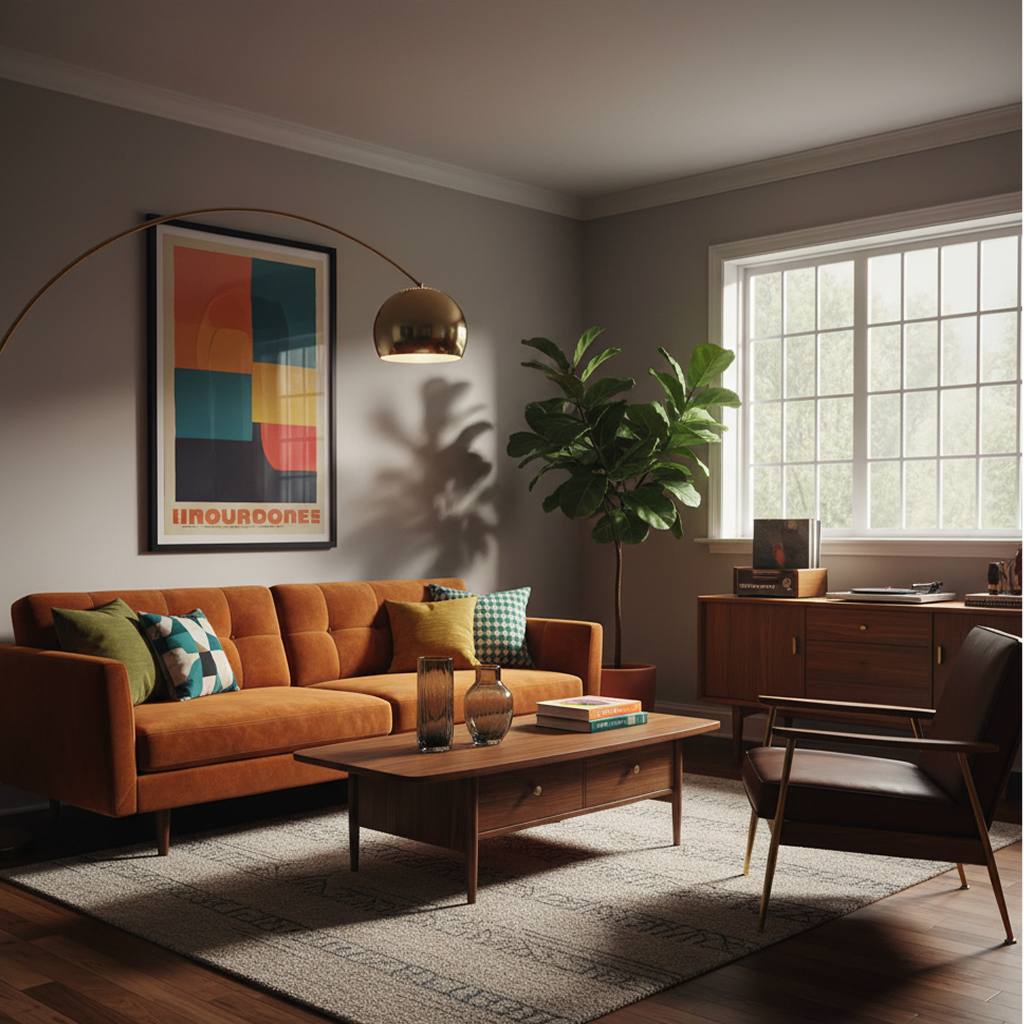
This style isn’t afraid to make a statement. You’ll find a lively and bold color palette featuring vibrant accent colors like burnt orange, olive green, mustard yellow, and teal. These rich hues are often set against the dark, stately tones of rich woods such as walnut and teak. Mid-Century designers also loved to experiment with a variety of materials, including leather, metal, and glass, creating a multi-layered, sophisticated look.
Scandinavian
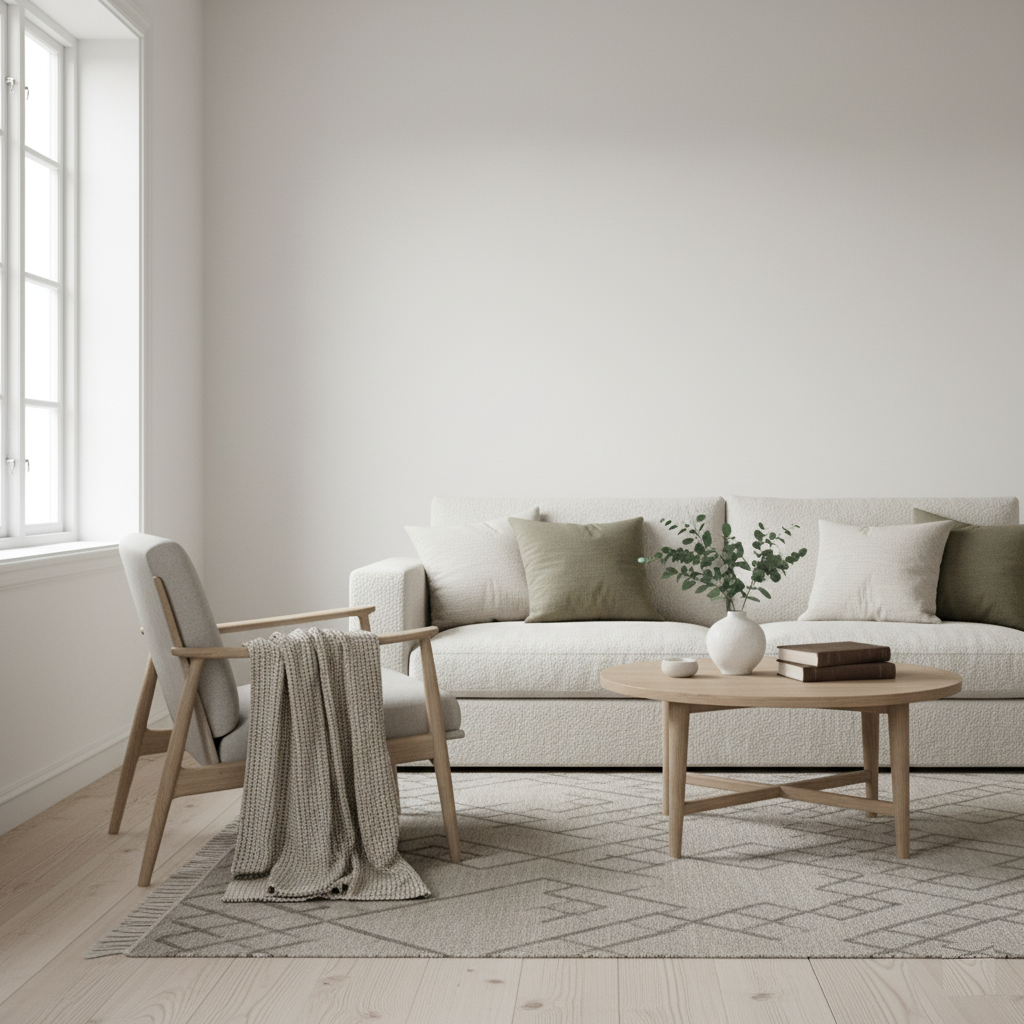
In contrast, Scandinavian design leans heavily on a calm and neutral foundation. The core palette is built on crisp whites and soft, earthy tones like beige, gray, and ivory. These colors are chosen to maximize light and create a sense of spaciousness. The primary material is always wood, typically light-colored woods like birch, ash, or pine, which add natural warmth without overwhelming the space
3. The Details: Furniture and Decor
Furniture and decor are the soul of any interior style. Pay close attention to the shapes and forms that define each aesthetic.
Mid-Century Modern
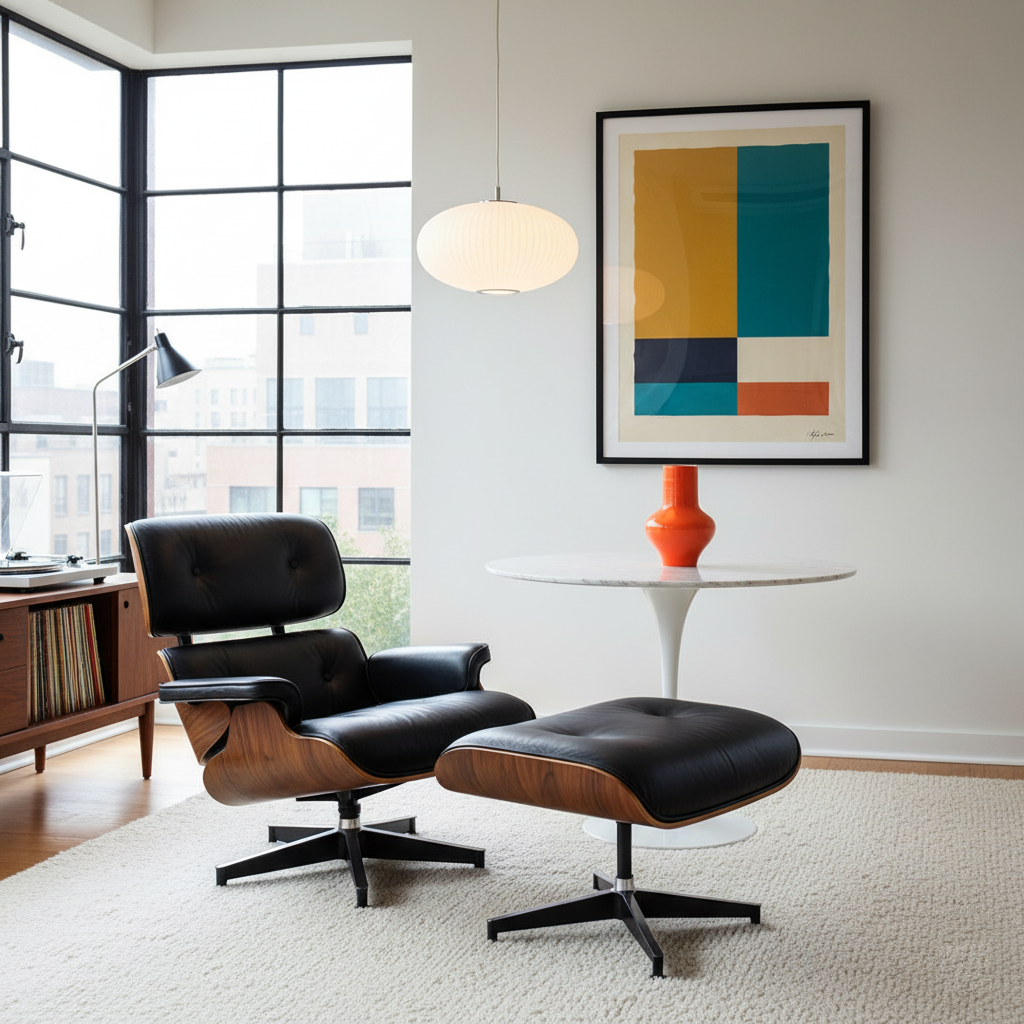
Look for furniture with streamlined, organic shapes and tapered legs that lift pieces off the floor, creating a sense of lightness. Seating is often low-slung and expansive, with wide sofas and plush armchairs. You’ll see a clever mix of materials, such as plastic molded chairs and leather upholstery. Decor often includes vintage posters, abstract art, and retro accessories, adding a layer of nostalgia and personality.
Scandinavian
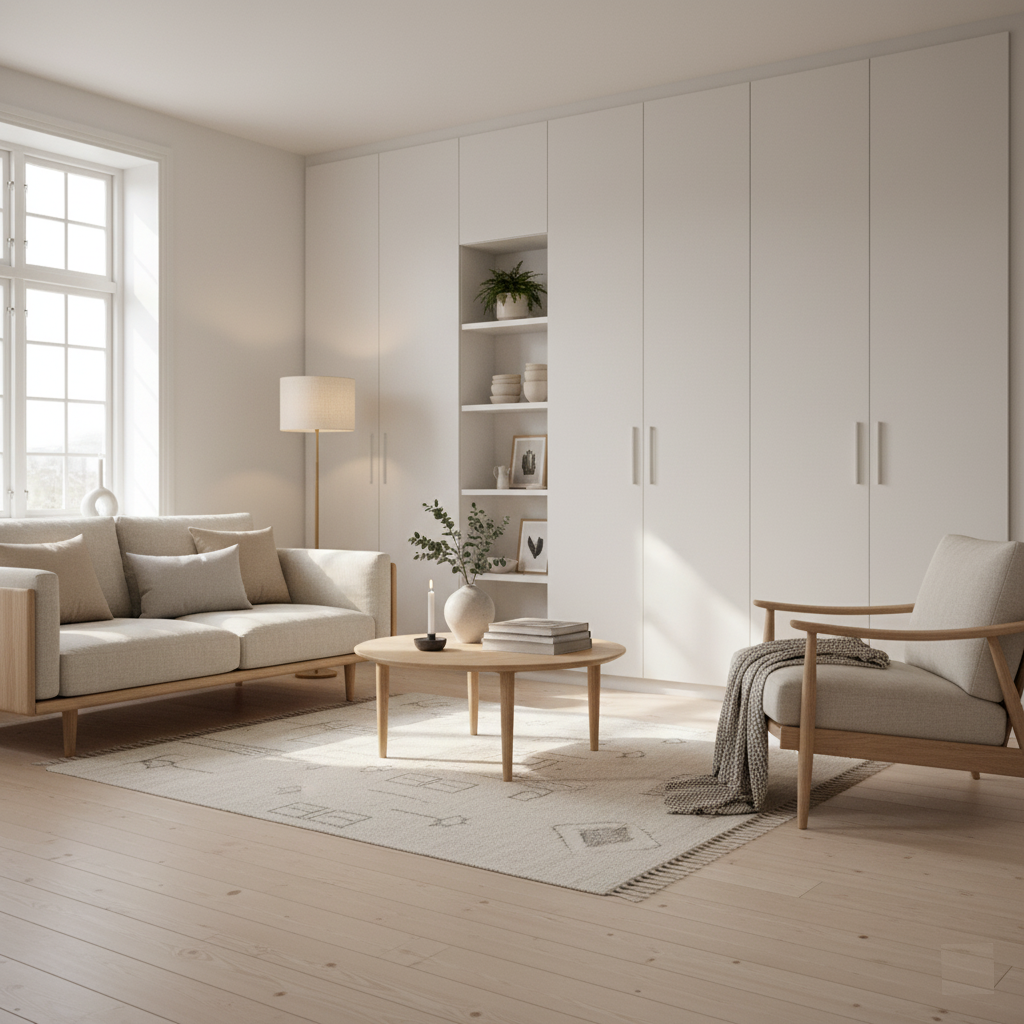
Simplicity is key. Scandinavian furniture is defined by its clean, straight lines and functional designs. Multi-purpose storage units are a staple, as they help maintain a clutter-free environment. Soft textures are crucial here—think cozy throw blankets, plush cushions, and woven rugs made from natural materials like wool or linen. The decor is minimal and purposeful, reflecting a cozy and unpretentious atmosphere.
4. The Perfect Space: Where Each Style Shines
While both styles are incredibly versatile, some spaces are naturally better suited to one or the other.
Mid-Century Modern
This style thrives in homes with a bit of a dramatic flair. It’s perfect for spacious living rooms, formal dining areas, or home offices where you can make a bold design statement. It feels particularly at home in single-family houses or loft apartments with high ceilings and large windows. Mastering this look can be more challenging, as it requires a careful balance of vintage pieces and modern elements to avoid looking like a museum.
Scandinavian
Scandinavian design is the ultimate choice for creating a light, airy, and welcoming home. It’s ideal for apartments, small homes, and cozy studios. It works beautifully in bedrooms, kitchens, and living rooms, where its focus on comfort and practicality can truly shine. Because of its emphasis on simplicity and functionality, it’s a great entry-level style for design beginners—it’s hard to go wrong with a neutral palette and natural wood.
5. Mixing and Matching: The Best of Both Worlds
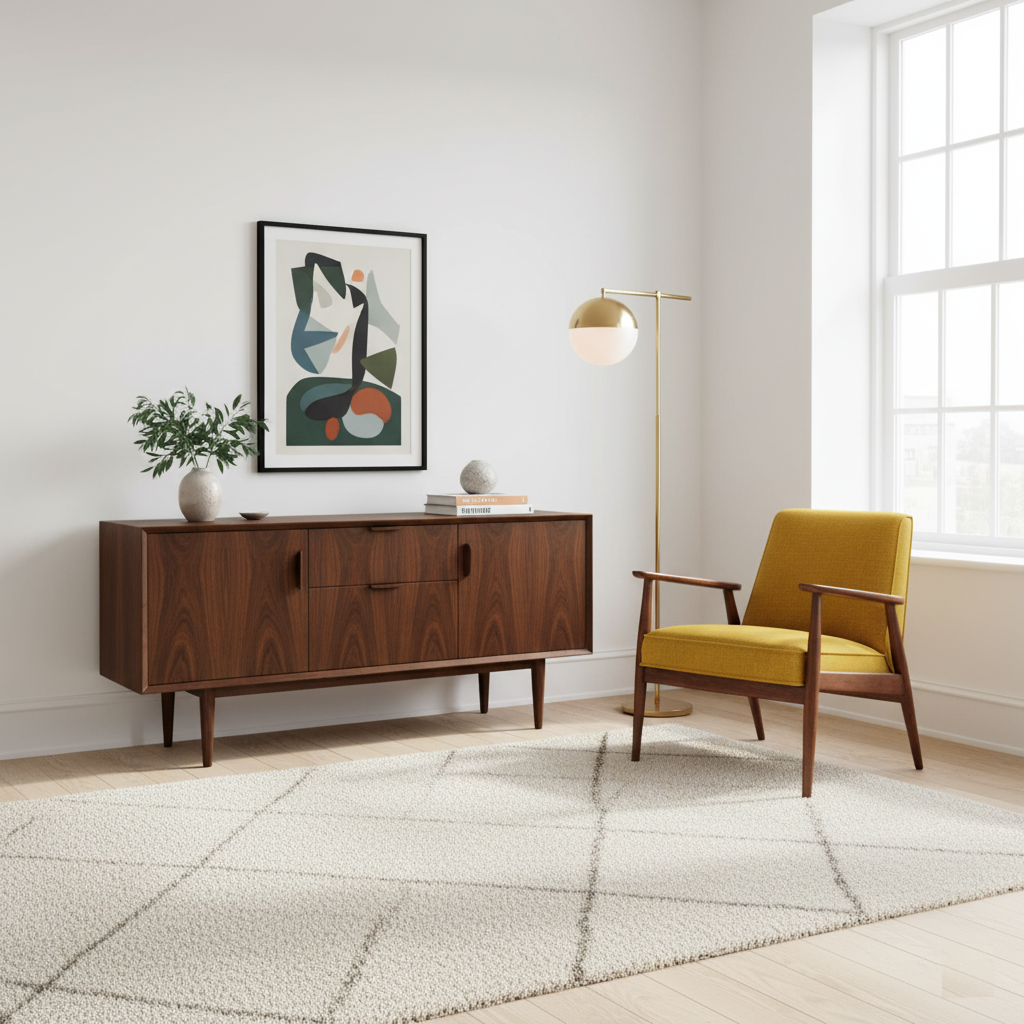
Who says you have to choose just one? The beauty of these two styles is that they can be blended seamlessly to create a unique and sophisticated look.
Start with a clean, light base—the core of Scandinavian design. Then, carefully introduce a few select Mid-Century Modern pieces. A striking Mid-Century chair, a sleek credenza, or a retro lamp can become a focal point, adding a touch of bold personality without overwhelming the calm atmosphere. The key is to maintain a balance of color and texture. For example, a warm walnut credenza against a white wall creates a stunning contrast.
Both Mid-Century Modern and Scandinavian styles are more than just passing trends; they are timeless design philosophies that stand the test of time. Whether you’re drawn to the vibrant, dynamic energy of Mid-Century or the serene, minimalist comfort of Scandinavian design, you have the power to transform your home into a space that reflects your unique taste and personality.
Which style resonates most with you? Or are you ready to try your hand at mixing the two?
Leave a Reply