
As parents, we’re constantly on the lookout for ways to keep our kids healthy and safe. We baby-proof our homes, scrutinize food labels, and pay close attention to the products our children use every day. But what about the products we use to clean their toys and play areas?
It’s a question many of us don’t think about until a child puts a toy in their mouth. Suddenly, we’re wondering: What exactly is on this toy? The truth is, many conventional cleaning products are filled with harsh, toxic chemicals that can be harmful to children. These substances can cause everything from skin irritation and allergic reactions to more serious health issues over time.
This guide is designed to help you navigate the world of safe cleaning products for your kids’ toys and play areas. We’ll explore why safety is so important, highlight the best non-toxic solutions, and give you practical, step-by-step tips for keeping your children’s environment clean and healthy without the worry. Let’s get started on creating a safer, cleaner world for your little ones.
Why Safe Cleaning Products Matter for Children’s Toys and Play Areas
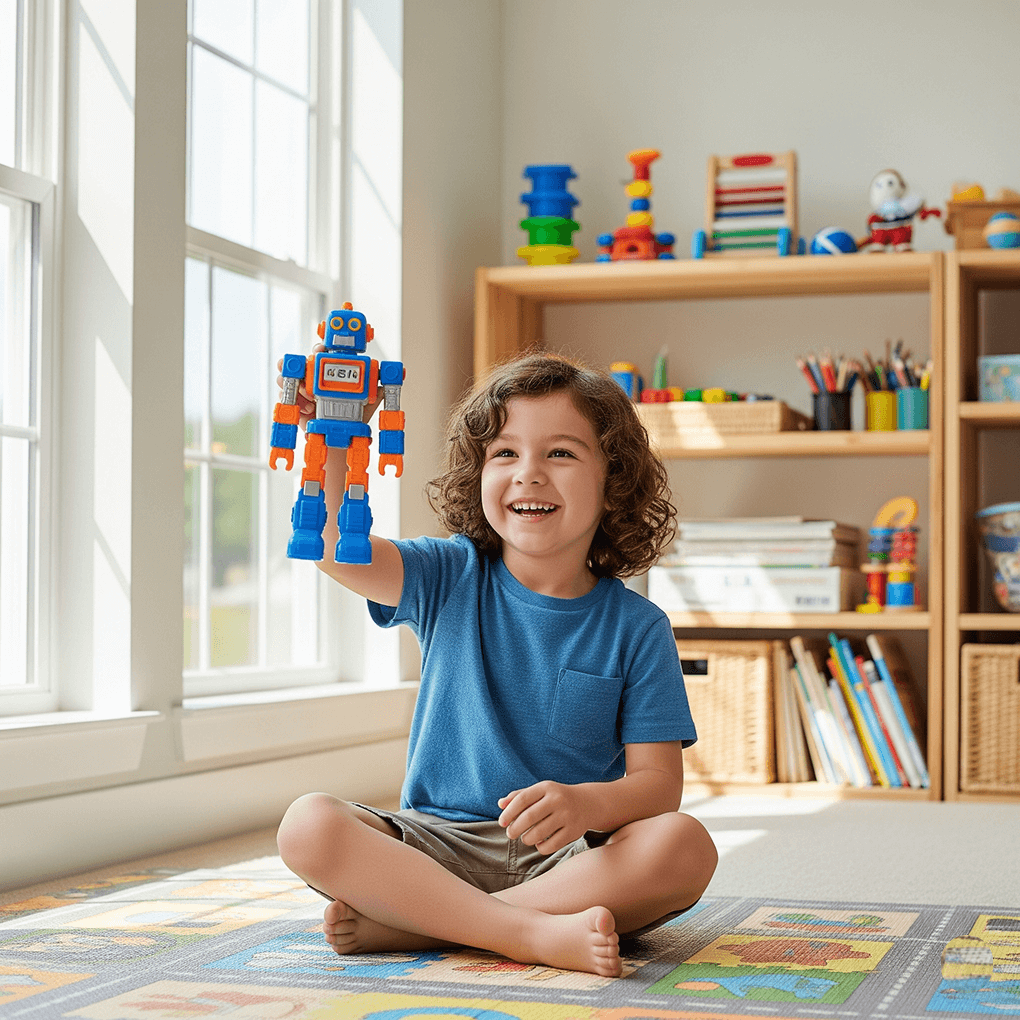
Children, especially babies and toddlers, are more vulnerable to the effects of chemicals than adults. Their bodies are still developing, they breathe in more air relative to their size, and they often put their hands and objects in their mouths, leading to a higher risk of exposure.
Using non-toxic cleaning products is crucial for protecting children’s health. A report by the Environmental Working Group (EWG) found that many common household cleaners contain substances linked to allergies, asthma, and developmental issues. Opting for eco-friendly cleaners helps reduce these risks, ensuring that the spaces your kids play in are truly clean, not just chemically treated.
Common Harmful Chemicals to Avoid
When you’re at the store, keep an eye out for these ingredients on product labels and avoid them. They are often found in conventional cleaners and can be especially dangerous for kids:
- Phthalates: Often used in fragrances, phthalates are endocrine disruptors, which can interfere with hormone function.
- Parabens: Used as preservatives, parabens have been linked to hormone disruption and potential reproductive issues.
- Ammonia: A powerful irritant that can cause breathing problems and skin burns.
- Bleach (Sodium Hypochlorite): Highly corrosive and toxic if ingested or inhaled. Mixing it with other cleaners can produce deadly chlorine gas.
By avoiding these ingredients, you’re taking a big step toward creating a safer home environment for your family.
Top Safe Cleaning Products for Children’s Toys and Play Areas
You don’t have to choose between a clean house and a safe house. The good news is, there are plenty of excellent, baby-safe disinfectants and natural cleaners available. Here are some of the best options, including both trusted commercial brands and simple DIY solutions.
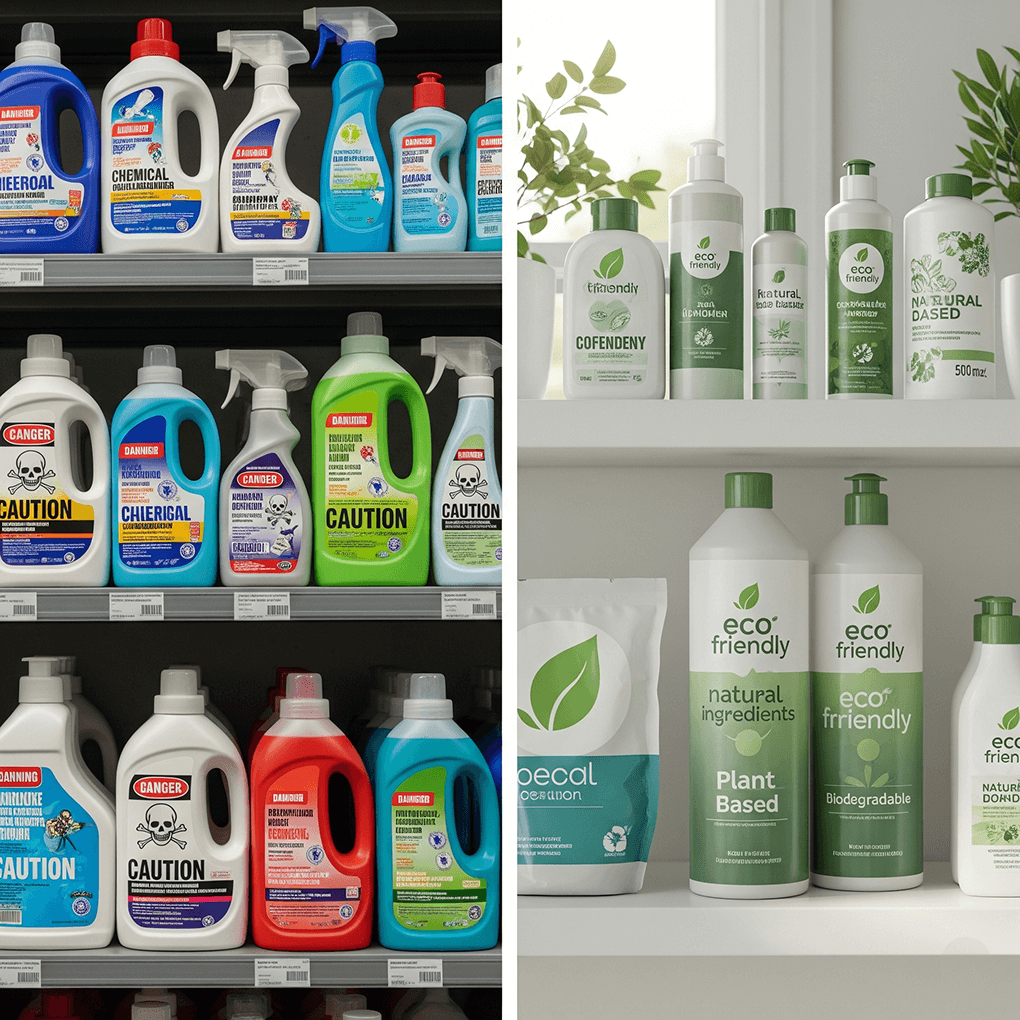
Eco-Friendly and Natural Cleaning Brands
These brands are well-known for their commitment to creating effective, plant-based products without harsh chemicals.
- Better Life Naturally Dirt-Destroying All-Purpose Cleaner: This is a fantastic option. It’s plant-derived and free of parabens, phthalates, and other harsh chemicals. It’s gentle enough to use on surfaces kids touch but powerful enough to get the job done.
- Force of Nature Multi-Purpose Cleaner & Disinfectant: This product uses a unique technology to turn salt, water, and vinegar into a powerful cleaner that kills 99.9% of germs, including viruses and bacteria. It’s a great choice for parents who want a true disinfectant without the toxic chemicals.
- Dr. Bronner’s Sal Suds Biodegradable Cleaner: Made with plant-based surfactants, this product is highly concentrated and can be diluted for a variety of cleaning tasks, from washing toys to wiping down play mats. A little goes a long way.
You can often find these products at major retailers like Target and Walmart, as well as specialty stores and online marketplaces like Amazon and Grove Collaborative.
DIY Safe Cleaning Solutions
Sometimes the best solutions are the simplest ones. Creating your own natural toy cleaners is easy, affordable, and gives you total control over the ingredients.
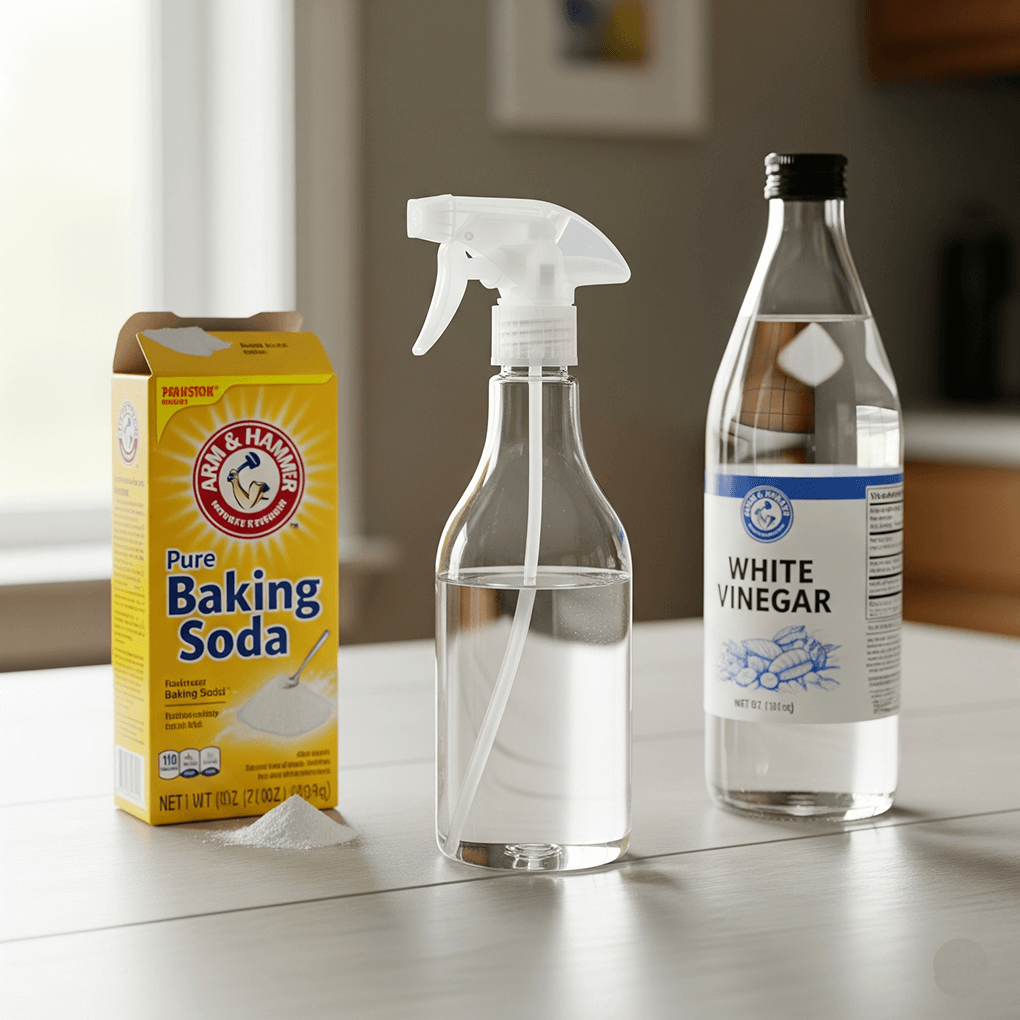
- Vinegar-Water Solution: Mix equal parts white vinegar and water in a spray bottle. The acetic acid in vinegar is a natural disinfectant. It’s great for wiping down plastic toys and play surfaces. Don’t worry, the vinegar smell dissipates quickly!
- Baking Soda Paste: To tackle tough grime, mix baking soda with a little water to form a paste. This is a gentle abrasive that can be used on plastic toys or to scrub surfaces without scratching.
How to Properly Clean Children’s Toys and Play Areas
Knowing what to use is only half the battle. Here’s a simple, step-by-step guide on how to clean children’s toys and play areas effectively and safely.
Cleaning Different Types of Toys
- Plastic Toys: For hard, plastic toys, you can use the vinegar-water solution or a commercial non-toxic cleaner. You can also wash them in the top rack of your dishwasher.
- Plush Toys: Check the care label first. If they’re machine washable, you can put them in a pillowcase and wash them on a gentle cycle with a mild, eco-friendly detergent. Air-dry to prevent shrinkage.
- Wooden Toys: Avoid soaking wooden toys. Instead, wipe them down with a damp cloth and a mild soap solution. Dry them immediately to prevent warping and mold.
- Electronic Toys: Use a damp cloth to wipe the surface, being careful to avoid getting water inside the battery compartment. Never submerge them in water.
Cleaning Indoor and Outdoor Play Areas
- Floors and Mats: Use your preferred safe cleaning product and a mop or cloth to wipe down play mats and floors. For mats, check the manufacturer’s cleaning instructions.
- Playground Equipment: For outdoor slides and swings, use a hose to rinse away loose dirt, then scrub with a gentle brush and a bucket of warm, soapy water. Rinse thoroughly and let them air dry in the sun.
Additional Safety Tips and Precautions
- Store Products Safely: Always store cleaning products, even the eco-friendly ones, out of your child’s reach. Lock them in a cabinet or put them on a high shelf.
- What to Do in Case of Accidental Ingestion: If your child ingests a cleaning product, no matter how “safe” it seems, immediately call your local poison control center or seek medical attention.
- Educate Your Children: As your children get older, talk to them about why it’s important to keep their toys clean and why they shouldn’t play with cleaning products.
Conclusion
Choosing safe cleaning products for your children’s environment is one of the most important things you can do as a parent. By opting for non-toxic, eco-friendly solutions, you’re not just cleaning a mess—you’re protecting your child from harmful chemicals and creating a healthier home.
It’s a simple change that makes a big difference. We encourage you to check out the products mentioned in this guide and start your own safe cleaning routine today. Your child’s health is worth it!
FAQ
Q: Can I just use dish soap and water to clean my kids’ toys?
A: Yes, a gentle, eco-friendly dish soap diluted with warm water is an excellent and safe way to clean most plastic and waterproof toys.
Q: How often should I clean my child’s toys?
A: It’s a good idea to do a quick clean of frequently used toys weekly. For toys that are rarely played with, a monthly or bimonthly cleaning is usually sufficient. If your child has been sick, clean all toys they’ve touched immediately to prevent the spread of germs.
Q: Are all “green” or “natural” cleaners truly safe?
A: While many are, it’s always best to read the ingredients list. Some brands may use these terms for marketing purposes without being fully transparent about their ingredients. Look for products certified by organizations like the EPA’s Safer Choice program.
Leave a Reply